FIFA and Levi's Controversy Explained: What Happened, Why It Went Viral, and the Marketing Lessons Every Brand Should Learn
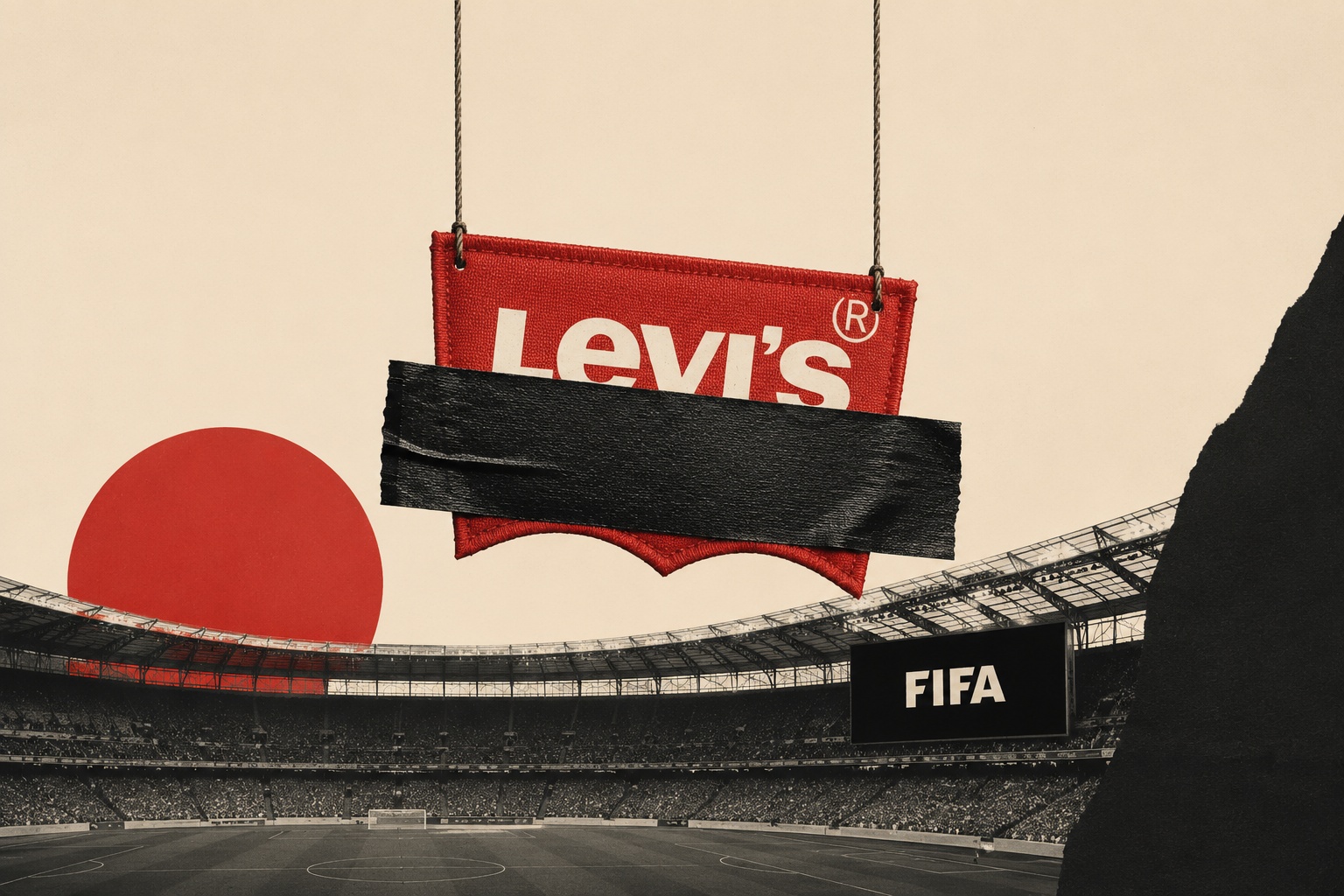
When millions of football fans tuned in to watch the FIFA Club World Cup, few expected one of the biggest talking points to be a covered logo.
Yet that's exactly what happened.
During the tournament, viewers noticed that the Levi's logo had been concealed in certain event environments, sparking widespread curiosity across social media. What initially appeared to be a routine branding decision quickly evolved into one of the most discussed marketing moments surrounding the tournament.
But this wasn't just another sports controversy.
It became a fascinating case study in sports marketing, brand visibility, sponsorship protection, and the modern attention economy.
Here's what happened, why it mattered, and what every business can learn from it.
Why Did FIFA Cover the Levi's Logo?
The answer lies in one of the most important principles of sports sponsorship: exclusive commercial rights.
Major sporting events like the FIFA Club World Cup generate billions in sponsorship revenue by granting exclusive branding rights to official partners.
These sponsors invest enormous amounts to ensure their brands receive exclusive visibility throughout the tournament.
To protect those investments, FIFA restricts the visibility of brands that are not official commercial partners whenever possible.
This practice, known as sponsor protection, helps preserve the value of official sponsorship agreements and ensures sponsors receive the exposure they've paid for.
From FIFA's perspective, protecting sponsor exclusivity isn't optional—it's fundamental to the tournament's commercial model.
The Unexpected Marketing Moment
Normally, sponsor protection goes unnoticed.
This time, it became the headline.
As viewers shared screenshots and clips online, questions quickly emerged:
- Why was the logo covered?
- What happened?
- Was this intentional?
- Was FIFA trying to hide the brand?
Curiosity spread rapidly across social media platforms.
Ironically, a decision intended to reduce brand exposure ended up creating even greater public attention.
Sometimes, the attempt to control visibility becomes the story itself.
Was This Ambush Marketing?
One of the biggest marketing discussions surrounding the incident involved ambush marketing.
Ambush marketing occurs when a brand gains publicity around a major event without paying to become an official sponsor.
Although the Levi's situation wasn't a classic example of intentional ambush marketing, the conversation highlighted how difficult it has become to control brand exposure in the digital era.
Today, visibility doesn't rely solely on physical advertising.
It spreads through:
- social media discussions
- news coverage
- creator content
- memes
- user-generated content
- online communities
Even without official sponsorship, brands can become part of the conversation simply because people choose to talk about them.
That's the power of earned attention.
How Levi's Benefited From Earned Media
One of the biggest lessons from this controversy is the difference between paid media and earned media.
Paid media is purchased.
Earned media is shared.
As discussions surrounding the covered logo spread across social media, Levi's benefited from something money alone cannot guarantee:
Public curiosity.
Instead of seeing another advertisement, audiences actively searched for:
- Why was the Levi's logo covered?
- What happened between FIFA and Levi's?
- Why was the brand removed?
Every search, article, discussion, and social media post increased the brand's visibility without a traditional advertising campaign.
This demonstrates one of the most powerful principles in modern marketing:
Attention generated through genuine curiosity often creates stronger engagement than paid promotion.
Why Social Media Amplified the Story
Social media algorithms reward engagement—not advertising.
The FIFA and Levi's discussion had all the ingredients of viral content:
- unexpected events
- global brands
- sports
- controversy
- curiosity
- visual storytelling
Users debated the situation across multiple platforms, shared opinions, created memes, and introduced the story to entirely new audiences.
Every interaction extended the life of the conversation.
In today's digital landscape, people don't just consume news.
They amplify it.
Attention vs Sponsorship: The New Marketing Reality
The controversy sparked a bigger question for marketers.
Is paid visibility always more valuable than earned attention?
Official sponsorship guarantees exposure.
Earned attention creates conversations.
While sponsorship remains one of the most effective long-term branding strategies, this incident demonstrated that public curiosity can sometimes generate remarkable levels of awareness.
Modern marketing is no longer just about buying impressions.
It's about creating moments worth discussing.
The brands that win attention are often the brands people voluntarily talk about.
What This Means for Sports Marketing
For organizations like FIFA, protecting sponsor investments remains essential.
Without exclusivity, sponsorship packages lose value.
However, this incident also demonstrates how difficult it has become to control visibility in the digital age.
Even when physical branding is restricted, online conversations can create worldwide exposure within minutes.
This shift is changing how brands think about:
- sports marketing
- sponsorship strategy
- brand visibility
- earned media
- audience engagement
The conversation itself has become part of the marketing ecosystem.
Marketing Lessons Every Brand Should Learn
The FIFA and Levi's controversy offers valuable lessons for businesses of every size.
1. Attention Is More Valuable Than Impressions
People remember conversations far longer than advertisements.
Creating moments that spark curiosity often generates stronger brand recall.
2. Earned Media Builds Authentic Visibility
When people voluntarily discuss your brand, credibility and engagement increase naturally.
3. Cultural Moments Create Marketing Opportunities
Brands that understand current conversations can remain relevant without appearing overly promotional.
4. Speed Matters
The digital news cycle moves incredibly fast.
Brands that respond quickly to cultural moments often capture the greatest attention.
5. Brand Visibility Extends Beyond Advertising
Today's visibility comes from multiple channels:
- social media
- public relations
- influencers
- user-generated content
- online communities
- search engines
The strongest brands understand how all these channels work together.
The Future of Brand Visibility
As AI-powered search, social media algorithms, and digital communities continue to evolve, visibility will depend less on advertising budgets and more on audience engagement.
Brands that generate conversations, encourage sharing, and participate in relevant cultural moments will continue to outperform brands that rely solely on paid campaigns.
Modern marketing isn't just about being seen.
It's about being remembered.
Final Thoughts
The FIFA and Levi's controversy was never just about a covered logo.
It became a powerful reminder that attention cannot always be controlled.
A decision intended to protect sponsorship rights ultimately created one of the tournament's biggest marketing conversations, reinforcing how quickly public curiosity can reshape brand visibility.
For businesses, the lesson is clear: while advertising creates awareness, conversations create influence. The brands that thrive today are those that understand how to combine strategic branding, timely storytelling, earned media, and audience engagement into a marketing approach that people genuinely want to share.
At LA Creatives, we help brands go beyond traditional marketing by building strategies that generate visibility, strengthen brand authority, and create meaningful engagement across search, social media, and digital platforms.